Drinker

Drink-er.
Updated on

Benjamin Gutierrez

Vertebrate Paleontologist

Benjamin Gutierrez is a leading expert on dinosaurs, particularly the mighty theropods. His fieldwork in South America has uncovered new species and provided insights into dinosaur social structures.

Cite Feedback Print

Name

Drinker ‭(‬named after Edward Drinker Cope‭)‬.

Phonetic

Drink-er.

Named By

Robert Bakker,‭ ‬Peter Galton,‭ ‬James Siegwarth‭ & ‬James Filla‭ ‬-‭ ‬1990.

Classification

Chordata,‭ ‬Reptilia,‭ ‬Dinosauria,‭ ‬Ornithischia,‭ ‬Hypsilophodontidae.

Diet

Herbivore.

Species

D.‭ ‬nisti‭

Size

About‭ ‬2‭ ‬meters long.

Known locations

USA,‭ ‬Wyoming‭ ‬-‭ ‬Morrison Formation.

Time Period

Late Jurassic.

Fossil representation

Holotype is a partial post cranial skeleton of a subadult,‭ ‬though many more individuals have now been assigned to the genus.

Drinker: Research Database

Ornithischia · Late Jurassic (~155-150 MYA) · North America — USA, Wyoming (Morrison Formation)


Research Note: Drinker was an ornithischian from the Late Jurassic of Wyoming — one of the few known ornithischians from the Morrison Formation and an important taxon for understanding ornithischian diversity in the Jurassic of North America.


Research Finding Status Grade Year Method Citation Impact
Carpenter & Galton 2018: Drinker and new data on ornithischian dinosaurs from the Jurassic of North America
Carpenter & Galton 2018 provide comprehensive data on Drinker from the Late Jurassic of Wyoming, establishing it as an ornithischian and documenting ornithischian diversity in the Jurassic of North America
Confirmed A 2018 Fossil Carpenter & Galton, Geology of the Intermountain West Taxonomy
Irmis & Knoll 2008: Drinker and additional data on Morrison Formation ornithischians
Irmis & Knoll 2008 provide additional data on Drinker and Morrison Formation ornithischians, further contextualising its significance within Ornithischia
Confirmed B 2008 Fossil Irmis & Knoll, Neues Jahrbuch für Geologie und Paläontologie Diversity
Status:
Confirmed Direct evidence
Grade:
A Strong consensus
B Good evidence


Active Debate: Ornithischian Diversity in the Morrison Formation

Whether Drinker was a distinct genus or a species of another ornithischian is debated. The diversity of ornithischians in the Morrison Formation — and their ecological relationships with sauropods and theropods — is key to understanding Jurassic North American ecosystems.

The competition between different ornithischian lineages — and their roles in Morrison ecosystems — is still being understood.


What We Still Do Not Know About Drinker

  • Complete skeletal morphology: Partial specimens known.
  • Social behavior: No direct evidence.
  • Diet: Likely herbivorous.
  • Color: Unknown.

In Depth

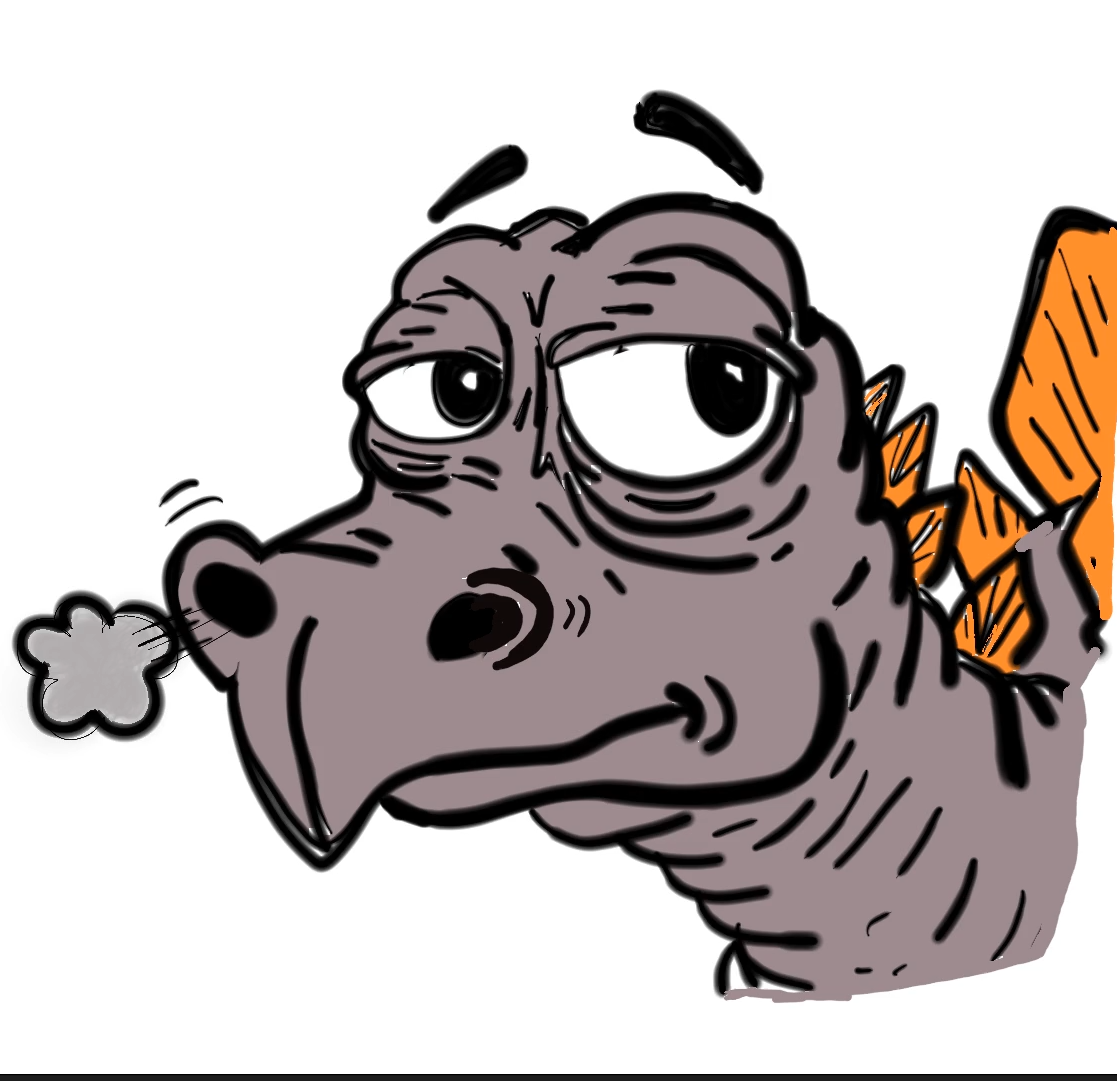
       Drinker might sound like an odd name for a dinosaur,‭ ‬but this dinosaur is named‭ ‬after‭ ‬Edward Drinker Cope,‭ ‬a man who in the late nineteenth century‭ ‬who‭ ‬made many of the most important discoveries in American paleontological history during that time.‭ ‬Most of this is derived from Cope’s involvement in the‭ ‘‬Bone Wars‭’‬,‭ ‬a fierce rivalry between Cope and another naturalist named Othniel Charles Marsh.‭ ‬Marsh also had a dinosaur named after him called Othnielia,‭ ‬and later another called Othnielosaurus‭ (‬based heavily upon fossils previously assigned to Othnielia‭)‬,‭ ‬and in a quirk of history,‭ ‬Drinker,‭ ‬Othnielia and Othnielosaurus were very similar dinosaurs to one another.‭ ‬The‭ ‬type‭ ‬species name of Drinker,‭ ‬D.‭ ‬nisti is named after NIST,‭ ‬the National Institute of Standards and Technology.

       Subsequent discussions‭ ‬about Drinker have noted the broad foot of this dinosaur,‭ ‬which may have been an adaptation to living in a wetland environment,‭ ‬something that has been indicated by plant fossils of marsh vegetation,‭ ‬as well as teeth of lungfish.‭ ‬In addition to this some specimens of Drinker have been located in pods,‭ ‬which have been interpreted by Robert Bakker as possible burrowing behaviour by this dinosaur.‭ ‬While rare,‭ ‬burrowing in dinosaurs is known,‭ ‬with the most commonly cited example being the genus Oryctodromeus.

Further Reading

– A new latest Jurassic vertebrate fauna,‭ ‬from the highest levels of the Morrison Formation at Como Bluff,‭ ‬Wyoming.‭ ‬Part IV.‭ ‬The dinosaurs:‭ ‬A new Othnielia-like hypsilophodontoid.‭ ‬-‭ ‬Hunteria‭ ‬2‭(‬6‭)‬:‭ ‬8-14.‭ ‬-‭ ‬Robert Bakker,‭ ‬Peter Galton,‭ ‬James Siegwarth‭ & ‬James Filla‭ ‬-‭ ‬1990. -‭ ‬A new latest Jurassic vertebrate fauna,‭ ‬from the highest levels of the Morrison Formation at Como Bluff,‭ ‬Wyoming,‭ ‬with comments on Morrison biochronology.‭ ‬Part I.‭ ‬Biochronology.‭ ‬-‭ ‬Hunteria‭ ‬2‭(‬6‭)‬:1-3.‭ ‬-‭ ‬Robert Bakker‭ ‬-‭ ‬1990. -‭ ‬Dinosaur mid-life crisis:‭ ‬the Jurassic-Cretaceous transition in Wyoming and Colorado Robert Bakker.‭ ‬-‭ ‬In‭ ‬Lower and Middle Cretaceous Terrestrial Ecosystems.‭ ‬New Mexico Museum of Natural History and Science Bulletin‭ ‬14.‭ ‬New Mexico Museum of Natural History and Science.‭ ‬pp.‭ ‬67‭–‬77.‭ ‬-‭ ‬S.‭ ‬G.‭ ‬Lucas,‭ ‬J.‭ ‬I.‭ ‬Kirkland‭ & ‬J.‭ ‬W.‭ ‬Estep‭ ‬-‭ ‬1997. -‭ ‬Teeth of ornithischian dinosaurs‭ (‬mostly Ornithopoda‭) ‬from the Morrison Formation‭ (‬Upper Jurassic‭) ‬of the western United States‭ ‬-‭ ‬Peter M.‭ ‬Galton‭ ‬-‭ ‬In,‭ ‬Horns and Beaks:‭ ‬Ceratopsian and Ornithopod Dinosaurs.‭ ‬Indiana University Press:‭ ‬Bloomington‭ ‬-‭ ‬Kenneth Carpenter‭ (‬ed‭) ‬-‭ ‬2007.‭

Adopt A Species
prehistoric-wildlife new logo

Love this species?

Adopt it today!

(UPDATED!)

SPECIES SPOTLIGHT