Tomarctus

In Depth        A relative of such genera as Aelurodon and Borophagus,‭ ‬Tomarctus is another one of the hyena-like‭ ‘‬bone crushing‭’ ‬dogs of the Miocene.‭ ‬This description comes from the attachments for powerful jaw closing muscles and short muzzle which means that when borophagine canids like Tomarctus bit on something,‭ ‬it was closer to the point … Read more

Betasuchus

In Depth        Known from the late Cretaceous period of Europe,‭ ‬Betasuchus was originally known as a species of Megalosaurus,‭ ‬the first genus of dinosaur,‭ ‬and theropod to be named which saw it being treated as a‭ ‘‬wastebasket‭’ ‬for all future theropod remains until more in depth study into dinosaurs began to be conducted.‭ ‬This classification … Read more

Demandasaurus

In Depth        Although Demandasaurus is not represented by a lot of complete fossil material,‭ ‬it has been identified as a rebbachisaurid sauropod.‭ ‬As a rebbachisaurid,‭ ‬Demandasaurus was a form of diplodocid sauropod,‭ ‬and an offshoot of the Dicraeosaurinae.‭ ‬Demandasaurus would have course been related to the type genus of the Rebbachisauridae,‭ ‬Rebbachisaurus,‭ ‬but it has … Read more

Knightia

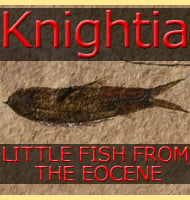
knightia 1

In Depth        Knightia were small freshwater fish often described as‭ ‘‬herring-like‭’ ‬that lived in North America during the Eocene period.‭ ‬Also because Knightia were schooling fish they are often preserved still in their shoals with some specimens even being preserved on top of each other.‭ ‬This is why so many fossils of this fish are … Read more

Genyornis

In Depth        The beak of Genyornis was sharp and powerful,‭ ‬but unfortunately it is difficult to say what its diet was as it would have been useful for either a carnivore or herbivore.‭ ‬It is also equally possible that Genyornis was an omnivore,‭ ‬feeding from plants but also supplementing its diet by scavenging carrion.‭ ‬This … Read more

Vampyrictis

       Due to the fragmentary nature of the known fossil,‭ ‬not much can be said about Vampyrictis other than it appears to have been one of the last of the African barbourofelids.

Raranimus

In Depth        Though only known from the forward half of a skull,‭ ‬Raranimus was still a very exciting discovery,‭ ‬as not only is Raranimus one of it not the oldest therapsids known,‭ ‬it appears to be a transitional form that links therapsids with earlier sphenacodont pelycosaurs‭ (‬i.e.‭ ‬Sphenacodon,‭ ‬Dimetrodon,‭ ‬Secodontosaurus,‭ ‬etc‭)‬.‭ ‬At the time of … Read more

Micropachycephalosaurus

In Depth        Paradoxically Micropachycephalosaurus is one of the smallest dinosaurs that we know about,‭ ‬yet it easily has one of the longest names.‭ ‬Micropachycephalosaurus was named from a partially preserved individual that in‭ ‬1978‭ ‬was perceived as what we now call a pachycephalosaur.‭ ‬However more modern analysis in the early portion of the twenty-first century … Read more

Yakemys

In Depth        Yakemys is a genus of macrobaenid Turtle that lived in South East Asia during the very early Cretaceous.‭ Further reading -‭ ‬Yakemys multiporcata n.‭ ‬g.‭ ‬n.‭ ‬sp.,‭ ‬a Large Macrobaenid Turtle from the Basal Cretaceous of Thailand,‭ ‬with a Review of the Turtle Fauna from the Phu Kradung Formation and Its Stratigraphical Implications.‭ … Read more

Gorynychus

In Depth        Gorynychus is a genus of therocephalian therapsid that lived in Russia during the Permian.‭ ‬At the time of writing Gorynychus is known from two species,‭ ‬the type‭ (‬first to be named‭) ‬species G.‭ ‬masyutinae,‭ ‬and the second species,‭ ‬G.‭ ‬sundyrensis,‭ ‬which seems to have been slightly larger.‭ Further Reading -‭ ‬A new therocephalian‭ … Read more