In Depth
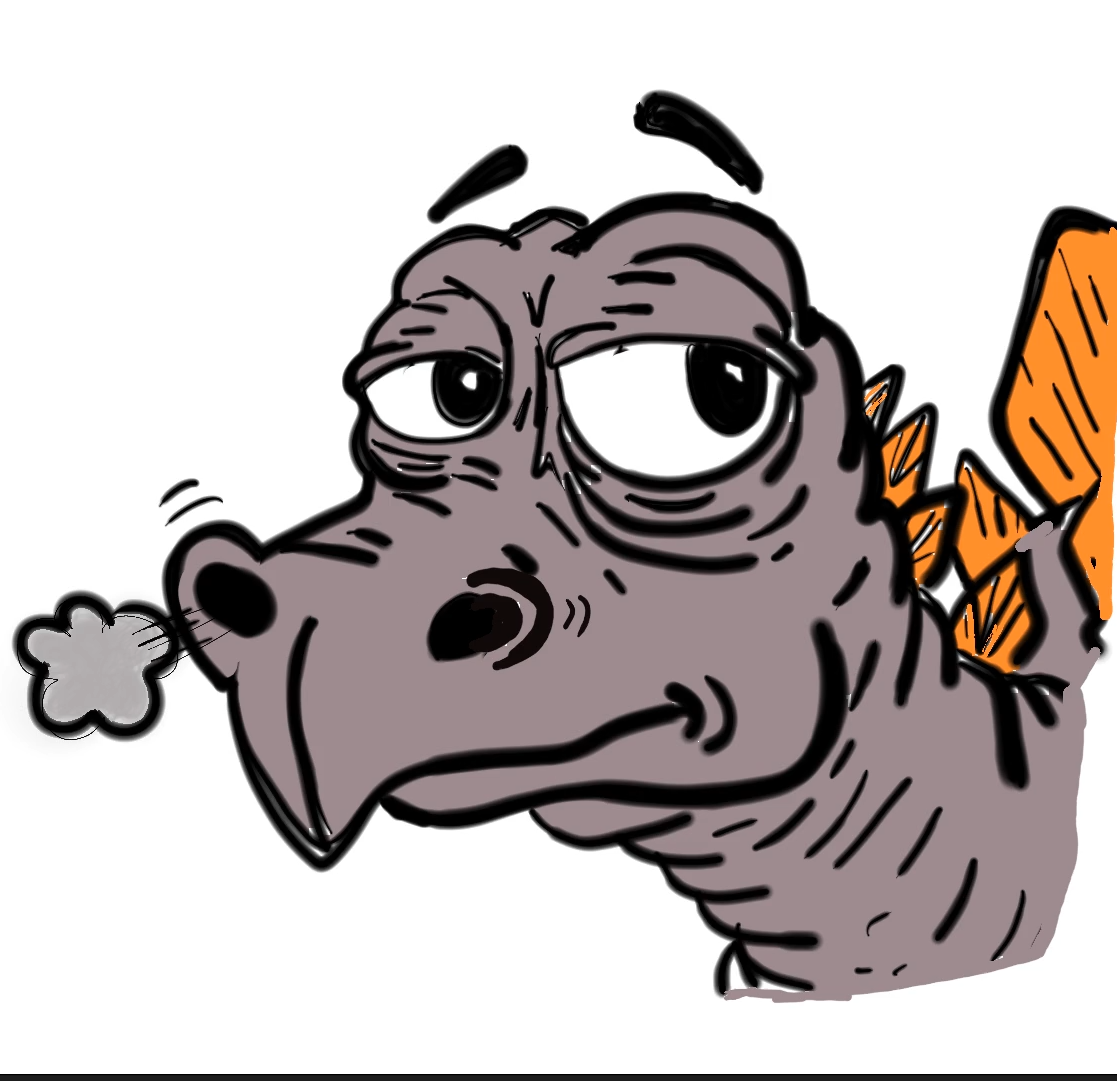
Adapis is considered to be one of the first primates and is the type genus of the Adapidae. These primates have grasping hands that have nails rather than claws and the post cranial skeletons of them are similar to those of lemurs. Adapis did not have a nose like some primates (including humans) do however.
Further Reading
– Cranial morphology and adaptations in Eocene Adapidae. I. Sexual dimorphism in Adapis magnus and Adapis parisiensis. – American Journal of Physical Anthropology. 56 (3): 217–234. – P. D. Gingerich – 1981. – Eocene paleoecology of Adapis parisiensis (Primate, Adapidae): from inner ear to lifestyle. – The Anatomical Record. 300 (9): 1576–1588 – Margot Bernardi & S�bastien Couette – 2017. Systematic and locomotor diversification of the Adapis group (Primates, Adapiformes) in the late Eocene of the Quercy (Southwest France), revealed by humeral remains. – Journal of Human Evolution. 126: 71–90. – Judit Marig�, Nicole Verri�re & Marc Godinot – 2019.